Alert component for urgent information lorem ipsum dolor cet amin. magnam quas? Class quibusdam maxime, pulvinar hymenaeos ullamco, vehicula provident! Praesentium Can include linked text if needed.
Headline Goes Here and Here Lorem Ipsum Dolor Sit Amet Consectetur
laoreet massa adipiscing pulvinar. sed turpis Nulla rhoncus pharetra sapien dolore porta enim justo.
TAKE ACTION!Sea Turtle Rescue Assistance Act

Take Action for Sea Turtle Conservation
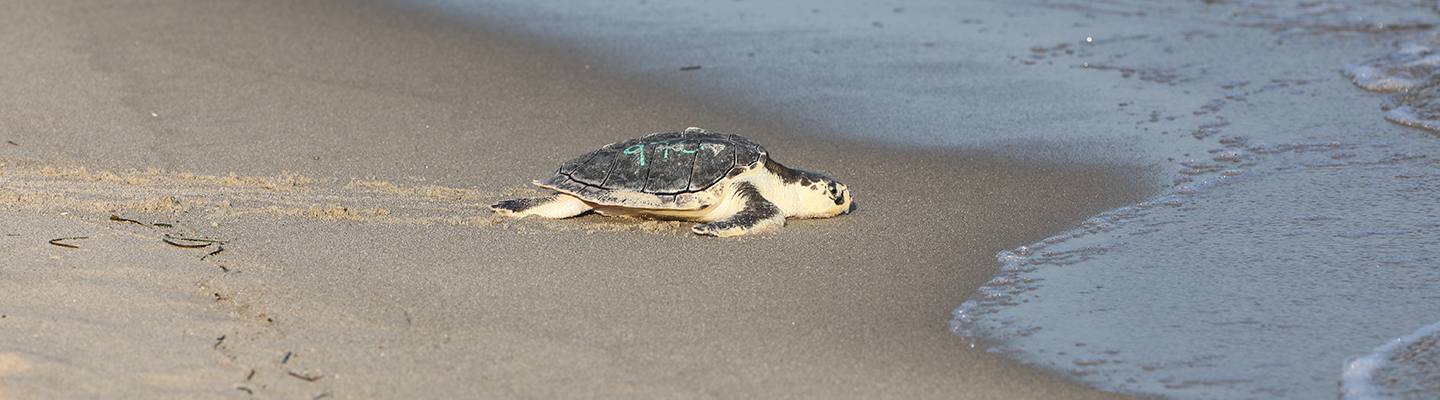
In the past decade, the New England Aquarium has treated thousands of Kemp’s ridley, green, and loggerhead sea turtles who experienced cold-stunning, ingested floating debris, faced marine entanglement, and more. Sadly, these numbers are expected to rise annually due to climate change, ocean industrialization, and the proliferation of single-use plastics.
As we continue this critical rescue and rehabilitation work, federal support is needed. In June 2022, Senator Edward Markey (D-MA) and Representative Bill Keating (D-MA-9) introduced bill S.4432 and H.R.7918, respectively, to provide institutions like ours the federal funding necessary to treat stranded marine turtles. These bills will help fund recovery and rehabilitation efforts, and help us to continue collecting the data necessary to ensure the survival of these endangered species post-rehabilitation.
To encourage legislators to cosponsor these bills, they need to hear from constituents like YOU about why sea turtle rescue and conservation is important. To make your voice heard:
- Find your legislators: You can find the names and contact information of your members of Congress here.
- Call your legislators and ask them to cosponsor and support the House bill, H.R.7918 and S.4432: Use the sample call script below.
- Post on your social accounts in support: Social media is a great tool for reaching legislators to make your voice heard. House members’ official Twitter handles for your members of Congress can be found here. Edit and tag your legislators in one of the sample social posts below to show your support!
Thank you for taking action today – your voice on this issue will have long-lasting impacts on the thousands of sea turtles we rescue and care for in our facilities each year!
Threats to Sea Turtles
Cold-stunning
Turtles are ectothermic, meaning their internal body temperature is determined by the water or air around them. Sea turtles migrate seasonally to New England to find rich food supplies. In the fall, as water temperatures drop, sea turtles must migrate south into warmer water. Occasionally, turtles find themselves stuck in the hook-shaped Cape Cod Bay. As water temperatures continue to plunge, turtles become cold-stunned, similar to hypothermia in humans. They can also suffer secondary illness from cold-stunning including abrasions, broken bones and pneumonia. If not treated in time, cold-stunning can be fatal.
Climate Change
From sea level rise impacting nesting beaches to warmer water temperatures causing changes in food supply, climate change is already affecting sea turtles. Sea turtles display temperature-dependent sex determination, meaning temperature of the egg during incubation determines the sex of the baby turtle. Studies have shown higher temperatures are resulting in significantly more female turtles, limiting mate availability later in their life cycle.
Plastics and Trash
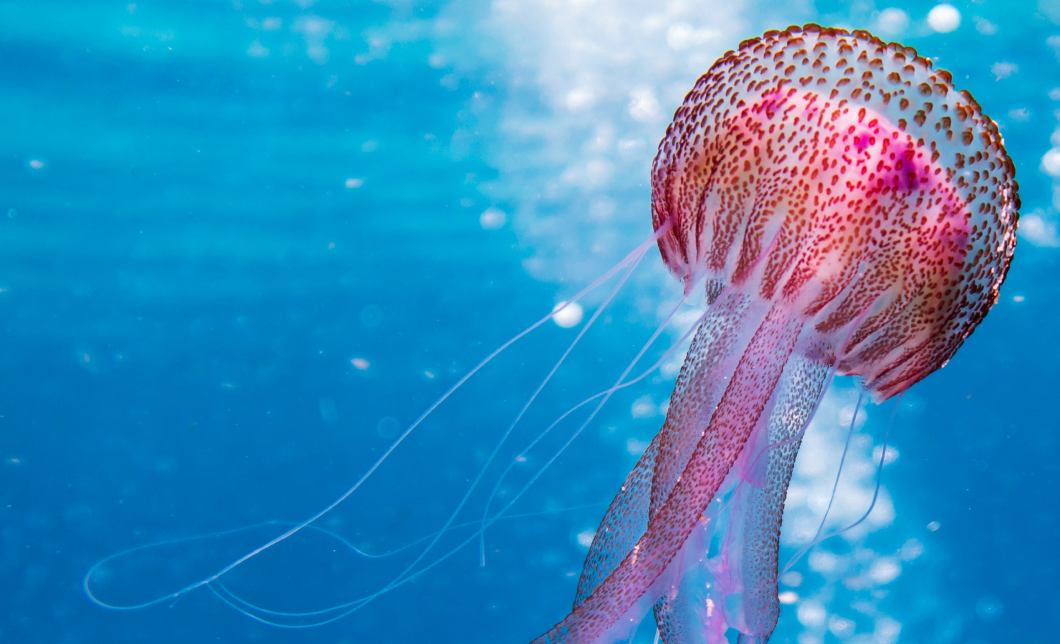
In important feeding areas, water currents can concentrate turtles’ food sources with floating debris. Turtles can mistake plastic bags, balloons, food wrappers, and more for food like jellies.
Entanglement
Entanglement in fishing nets or ropes can prevent air-breathing animals like sea turtles from swimming to the water’s surface, causing them to drown.
Stay Updated
Want to learn more about the ways you can help us to protect our blue planet? Please complete the form below to receive updates from the New England Aquarium regarding advocacy opportunities.
